De-escalation Training
For K-12 education, healthcare, and human services
Practical de-escalation strategies staff can use if a situation starts to escalate
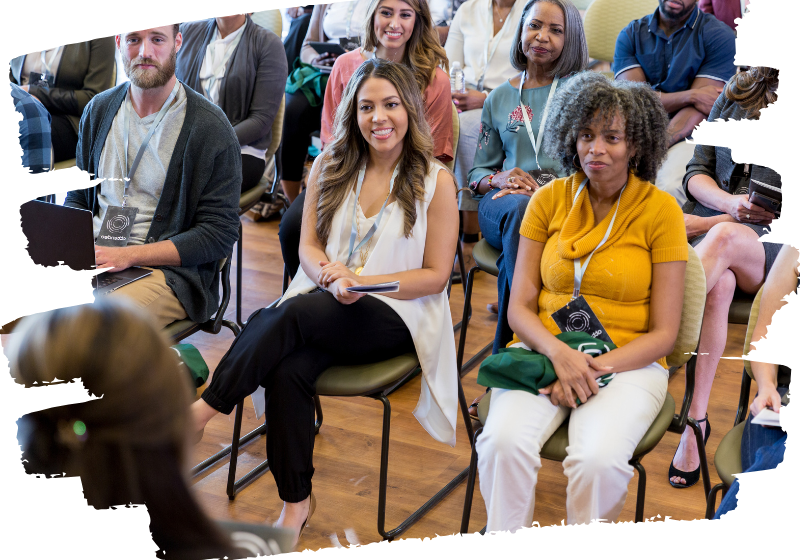








De-escalation Training
For Every Setting
Each program is designed for the specific challenges of its environment
— the scenarios differ, but the core framework stays consistent.
K-12 Educators
For Education Professionals
This course teaches education professionals simple de-escalation techniques they can use to calm situations before they grow more intense or harder to manage.
WHAT THIS CAN LEAD TO:
- Shorter behavioral incidents
- Reduced need to clear classrooms
- Fewer calls for admin assistance
Human Services
For Human Services Staff
Practical de-escalation skills for staff who work with people in crisis — in shelters, group homes, day programs, and community-based services.
WHAT THIS CAN LOOK LIKE IN PRACTICE:
- More consistency across shifts
- Fewer interactions turning physical
- Calmer responses under pressure
Health Care
For Health Care Staff
For healthcare staff who may be faced with escalation from patients, families or visitors - in emergency departments, inpatient units, and outpatient settings.
WHAT TRAINING CAN HELP PRODUCE:
- Calmer interactions
- Reduction of violent incidents
- Less need for security response

K-12 EDUCATION
De-escalation training for k-12 educators
This can help your staff bring about...
Shorter behavioral incidents
A situation calmed quickly keeps students in learning, spares neighboring classrooms the disruption, and frees the staff member from managing the moment long after it should have settled.
Less disruption across the building
Bringing a situation down before the room has to be cleared lets learning continue and keeps other staff from being pulled in to help move students.
Fewer calls for administrator assistance
Handling escalation at the classroom level means fewer calls go out for support — and administrators spend less of the day responding to behavior across the building.
HUMAN SERVICES
Consistent de-escalation across
every shift, every staff member
Build more consistency across shifts
In program settings, the same client can encounter ten different staff in a week. If all of them are working from the same de-escalation playbook, the client gets a more consistent approach.
Reduce how often interactions turn physical
Staff who are able to apply de-escalation strategies skillfully give the situation room to come down. When that works, the moment doesn't have to escalate to the point of a restraint, or a physical confrontation.
Support calmer responses under pressure
Staff who learn how to stay regulated when a client isn't model what de-escalation actually looks like — and the situation often follows the calmer person in the room, not the more agitated one.

HEALTHCARE
De-escalation training for
the healthcare environment
Quieter interactions with patients
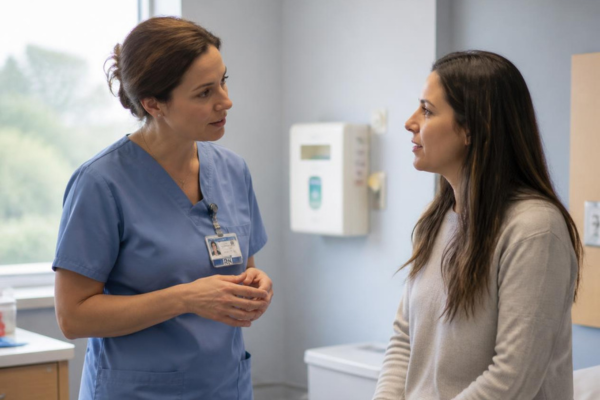
Patients in pain, families under stress, and visitors who feel unheard can all escalate quickly. When staff know how to read those moments and respond without adding heat, the interaction can settle before it turns into something bigger
A drop in violent incidents
Healthcare workers can face high rates of workplace violence. Staff trained to recognize escalation early and respond skillfully can reduce how often a situation reaches the point of someone getting hurt.
Lower reliance on security response
When clinical staff can manage escalating situations themselves, fewer codes go out, security gets called less often, and units run with less disruption to patient care.
SINCE 2002
Some of the organizations
we've worked with
Needham Public Schools
Longmeadow Schools
St. Michael's Academy
Postive Behavior Supports
ServiceNet
J.S. Bryant School
The Valley West School
Springfield Prep Charter
Petersham Public Schools
East Longmeadow Schools
Pathfinder Vocational
Ludlow Public Schools
Veritas Prep Charter
Central MA Collaborative
Embracing The Creative Child
Belchertown Schools
Orange Public Schools
Worcester Schools Busing
Ralph Mahar Regional
Hampshire Regional Schools
READY TO GET STARTED?